Sympathetic Substance Use Assistance: Explore Your Path to Restoration
A compassionate substance abuse recovery delivers a refined approach to healing. It prioritizes empathy and understanding, acknowledging the complex emotional roots of addiction. This method fosters a nurturing setting, encouraging individuals to face their challenges. Incorporating comprehensive wellness techniques can improve strength and drive. Nevertheless, concerns persist about the efficacy of peer assistance and research-backed approaches. Which factors truly contribute to a positive healing path? Examining these dimensions uncovers deeper insights into empathetic treatment.
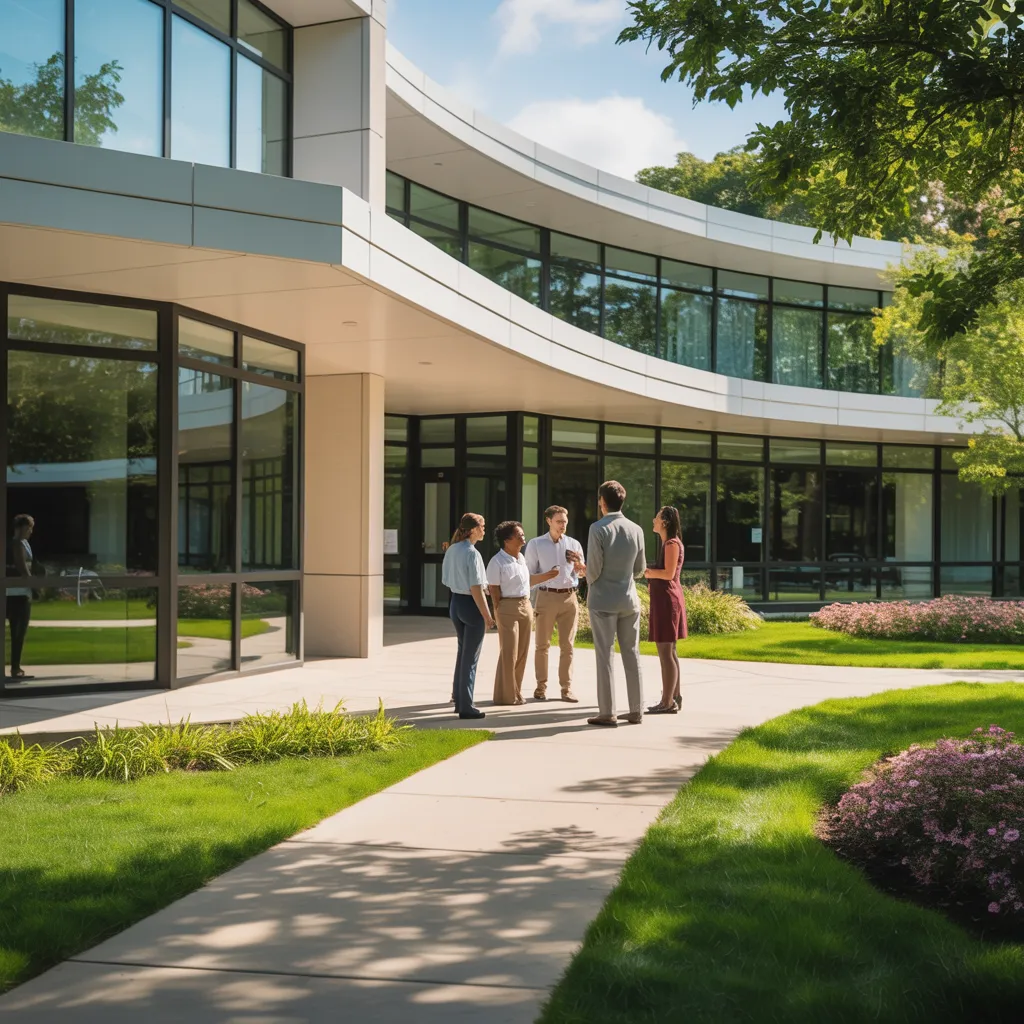
What Characterizes Compassionate Substance Use Recovery and In What Manner Can It Aid You?
What makes empathetic recovery programs an essential approach for those striving for wellness? This system emphasizes empathy and understanding, noting that addiction is often stemming from complex emotional and psychological issues. Unlike conventional approaches that may concentrate exclusively on abstinence, compassionate treatment builds a nurturing space where people feel secure to confront their challenges.
By incorporating plans that emphasize emotional well-being, patients are more likely to actively participate in their recovery journey. This model not only addresses the physical symptoms of substance use disorder but also supports therapeutic progress of foundational psychological pain, reducing feelings of shame and isolation.
Moreover, empathetic addiction treatment often includes comprehensive wellness techniques, such as meditation and stress management, furthering recovery efforts. Ultimately, this person-centered approach enables individuals to regain control of their lives, build resilience, and create better stress management strategies, making it essential for those seeking lasting transformation.
Emotional Intelligence Principles That Advance Recovery
In what ways can empathy reshape the path to healing for individuals battling addiction? Compassion functions as a key element in establishing a caring atmosphere for recovery. By comprehending the emotional and psychological struggles of those contending with addiction, medical professionals can modify their approaches to satisfy individual needs. This individualized care strengthens trust, making individuals feel valued and understood.
Empathy concepts inspire frank exchange, permitting individuals to express their feelings without fear of judgment. Such an climate can markedly decrease sense go now of loneliness, promoting a feeling of community. In addition, empathetic interactions can help individuals discover their fortitude and strength, reinforcing their motivation to engage in recovery.
Local Support's Function in Caring Addiction Rehabilitation
Why is community support important for enhancing compassionate addiction treatment? Collective backing serves as a vital foundation in the treatment process. It nurtures a spirit of unity, assisting participants to communicate with others who share similar experiences. This connection can mitigate feelings of isolation often characteristic of addiction, providing mental sustenance and determination.
Support communities, community programs, and peer mentorship provide actionable techniques and coping mechanisms, empowering people to manage their healing more successfully. Additionally, collective participation promotes accountability, as members feel a commitment to their own growth and their peers.
Moreover, group interactions within a caring community can lead to shared resources, improving availability of therapeutic choices and comprehensive approaches. Ultimately, group assistance not only supports emotional healing but also reinforces the conviction that healing is possible, establishing a nurturing environment where people can thrive on their path to recovery.
Reducing Stigma in Compassionate Addiction Recovery Programs
Community involvement is vital to confronting the stigma connected to addiction, which can thwart individuals from getting help. Labeling often generates despair and disconnection, holding back those contending with addiction from turning to others resources. By cultivating an context of compassion and understanding, communities can help shatter these adverse attitudes.
Education is crucial in this effort; educating the public about addiction as a complicated medical condition rather than a character flaw can shift attitudes. Peer networks and advocacy organizations also serve as platforms for sharing personal stories, which humanize the struggle and showcase recovery successes.
Promoting open conversations about compulsive behavior can generate a culture of acceptance, rendering it easier for folks to obtain the compassionate treatment they require. Through collective efforts, communities can contribute to a improved support network, ultimately facilitating recuperation and reducing social disapproval for those dealing with addiction.
Proven Techniques for Compassionate Addiction Treatment
While addiction treatment options fluctuate, evidence-based approaches are essential for ensuring effective and compassionate care. These methods build upon scientific research and clinical trials to ascertain the most effective solutions for individuals struggling with addiction. Frequent research-validated techniques include cognitive-behavioral therapy (CBT), motivational conversation, and incentive-based management, each meant to address the unique challenges of addiction.
Moreover, medication-assisted treatment (MAT) has gained acceptance for its ability to promote wellness while minimizing withdrawal manifestations. By combining these approaches, medical centers can offer individualized treatment that respects individual experiences and needs.
Additionally, periodic reviews and modifications informed by patient feedback help sustain participation and progress. This devotion to utilizing proven approaches not only enhances recovery outcomes but also fosters a empathetic environment where individuals feel cherished and heard. Consequently, scientifically-supported strategies play a essential role in promoting long-term healing and enhancing overall wellness.
How to Commence Your Experience in Compassionate Drug Treatment?
How can someone start their journey toward compassionate addiction treatment? The initial phase involves recognizing the need for help, which can be intimidating yet liberating. Obtaining support from loved ones, family members, or experts can provide motivation and guidance. People should explore different recovery programs, such as therapy, peer support networks, and holistic approaches that emphasize empathy and insight.
Next, contacting a healthcare practitioner or dependency counselor is indispensable for assessing the client's needs and creating a bespoke treatment plan. This plan may include empirically-supported practices combined with sympathetic care to handle both the psychological and emotional aspects of addiction.
At last, people should accept change and keep a commitment to their betterment. Constructing a supportive network and engaging in care practices can amplify this passage, encouraging resilience and hope. By executing these initial steps, one can set off on a way toward healing and durable advancement.
Frequently Asked Questions
What Skills Should I Consider in a Empathetic Treatment Provider?
A caring healthcare provider should possess appropriate certifications, experience in addiction counseling, a deeply empathetic manner, and a commitment to evidence-based practices. Moreover, they should display cultural competence and a helpful, accepting approach with their clients.
How Extended Does Compassionate Addiction Treatment Typically Last?
Compassionate substance abuse care typically lasts 30 days to several months, based on individual needs and progress. Factors determining duration include the severity of addiction, concurrent mental health conditions, and the therapeutic method utilized.
Do Compassionate Addiction Treatment Programs Have Financial Charges?
Expenses related to sympathetic dependency recovery programs can change substantially. Elements influencing costs include the program's duration, location, and services offered provided. Numerous facilities also provide monetary assistance or sliding scale fees to meet various financial situations.
Can I access Compassionate Treatment While preserving My Job or Education?
Yes, people can attend compassionate treatment while maintaining their career or education. Many programs offer adaptable timing, allowing participants to manage their responsibilities while receiving the necessary support for recovery and personal growth.
What Could I Do if I Relapse During Treatment?
If a setback occurs during therapy, it is vital to acknowledge the lapse without shame. Seeking help from counselors, friends, or group sessions can assist in identifying risk factors and renewing commitment to the recovery process.